
From Everyday Spins to Elite Access: How Mobile Transaction Flows Build Reward Pathways
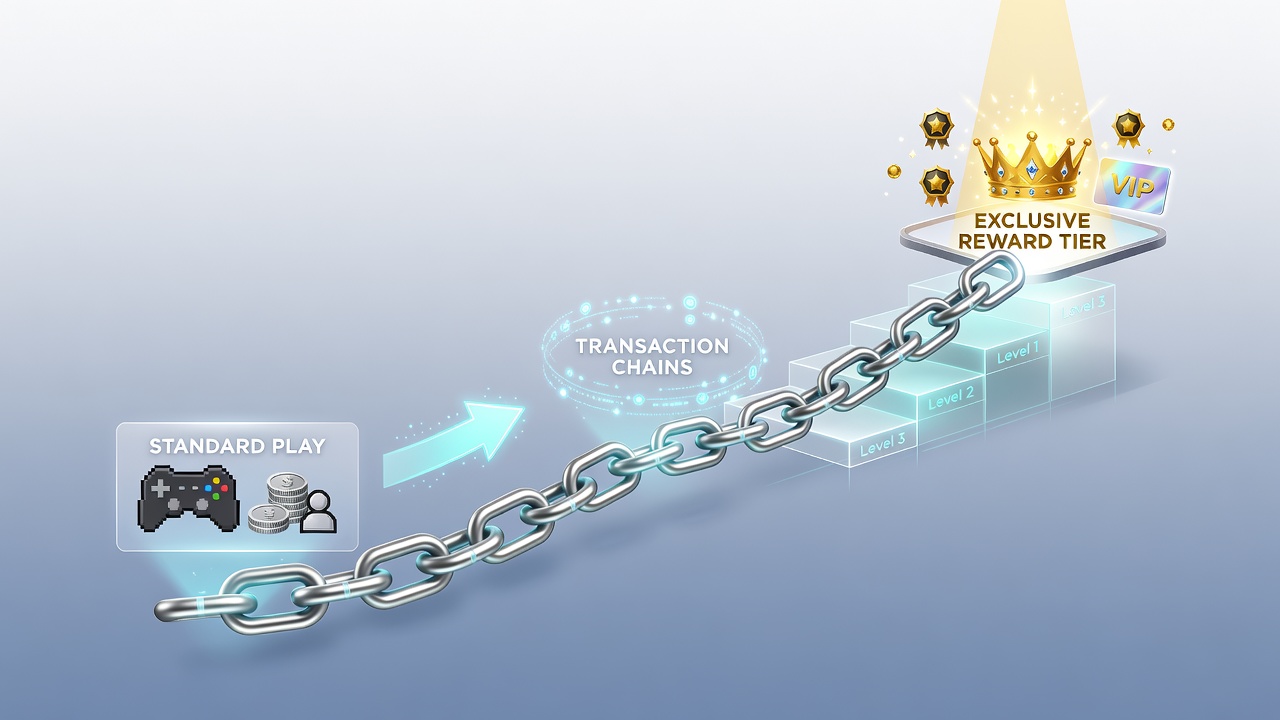
Transaction networks on portable platforms now connect deposits, gameplay, and reward accumulation into continuous sequences that move users from entry-level sessions into higher loyalty brackets, and data from October 2026 shows these systems operating across multiple device types with reduced interruption points.
Payment sequences begin when a user funds an account through digital wallets or card linkages, after which the same interface routes portions of activity into bonus trackers that accumulate toward tier thresholds, while platform operators record each step in centralized logs that update in real time.
Payment Integration Patterns Across Devices
Portable platforms use unified ledgers that register deposits, spins, and table rounds within the same data stream, so a single transaction can simultaneously satisfy wagering requirements and advance loyalty points without separate verification steps, and developers have refined these connections since the expansion of 5G networks allowed faster synchronization between user actions and backend servers.
One study from the University of Nevada Las Vegas examined how these flows reduce the number of screens a player encounters before bonuses activate, and figures revealed that integrated sequences cut average progression time by measurable intervals compared with earlier fragmented systems.
Progression Mechanisms in Reward Structures
Reward tiers operate through automated thresholds where accumulated activity from slots, tables, and sports sections feeds into a shared meter, and once a meter reaches preset values the system grants access to higher categories that include larger bonus pools and exclusive game invitations, while the same meter continues to track ongoing play to determine further elevations.
Operators link these meters to transaction histories so that deposit frequency and volume contribute alongside gameplay volume, creating a combined metric that determines when a user crosses into the next bracket, and platform records from October 2026 indicated steady increases in users reaching mid-tier status through these combined calculations.
Regional Data and Platform Comparisons
Reports compiled by the Canadian Gaming Association tracked mobile transaction volumes across several provinces and noted that platforms employing continuous reward chains recorded higher retention rates at each tier boundary, whereas systems requiring manual bonus claims showed slower movement between levels.
Australian regulatory summaries released in late 2026 similarly documented patterns where instant funding options paired with live meter displays produced quicker tier advancements for users who maintained consistent activity across game categories, and these summaries compared outcomes across different operator groups without identifying individual providers.
Technical Elements Supporting Continuity
Backend systems synchronize transaction data with game servers through application programming interfaces that update loyalty meters within seconds of each completed round, and security protocols encrypt these exchanges while preserving the sequence integrity that allows progression to continue uninterrupted across device switches or network changes.
Support channels integrated into the same interfaces provide immediate status checks on meter progress, so users receive confirmation when thresholds approach without leaving the active session, and operators have incorporated these features into standard mobile builds to maintain flow across slots, table games, and live betting sections.
Conclusion
Transaction chains on portable platforms now function as linked sequences that register funding, play, and reward accumulation in unified streams, enabling users to advance through tier structures based on measurable activity totals, and records from October 2026 confirm these mechanisms operate across multiple regions with consistent data handling practices.
Platform operators continue to refine synchronization methods between payment gateways and loyalty engines, while external analyses from academic and industry bodies provide comparative figures on progression rates without endorsing specific products.